

The Meadow is an area of Horsham Park between the football pitches and the skatepark. The grass in the rest of the park is cut every two weeks, but this area has been left to grow into a meadow.
Mown paths guide people through without disturbing the longer grass, making it easy to cross while protecting the space. Taller grass attracts more insects, including butterflies, moths and bees, and those insects provide food for birds such as blue tits, robins and swallows. A survey in July 2021 recorded 22 plant species (flora), including wood betony, bird’s-foot trefoil and meadow crane’s-bill. Over time, the meadow is becoming more beautiful as native grasses and wildflowers establish themselves.
Wildflower meadows are among the UK’s most threatened habitats, with English Heritage reporting a 97% loss since the 1930s, driven largely by post-war farming. Even a modest meadow in a town park matters, giving pollinators food, insects shelter and birds a place to feed.
Conserving the meadow
How the meadow is looked after
A meadow can’t look after itself. Left alone, grassland gradually turns to scrub and then woodland. Cutting the grass and removing the cuttings keeps the soil low in nutrients, which lets wildflowers outcompete the coarser grasses.
Extending the meadow onto the bank
In 2026 we began extending the meadow onto the bank in front of the north-west copse. The bank is sunny, which butterflies love, and it already has wildflowers growing. It is also well drained. The current meadow often becomes waterlogged in winter, partly because a tributary runs beneath it, so the bank gives meadow plants a drier kind of ground.
Brimstone butterflies and alder buckthorn
Alder buckthorn has been planted on the bank to provide a food plant for brimstone butterfly caterpillars, which feed only on buckthorns. Without buckthorn there can be no brimstones, so the planting gives this early-spring species a place to breed in the park.
The planting worked. In spring 2026, a crowd of caterpillars stripped the leaves from the young saplings, which is exactly what we had hoped for. Further alder buckthorn is being planted on the bank in winter 2026–27.
Why we remove young trees
Young saplings, particularly oak, have been removed from the bank to keep it open for meadow plants. Oaks are among our most valuable trees for wildlife, but they self-seed readily, helped by squirrels and jays burying acorns. On the bank, saplings compete with the alder buckthorn and, left unchecked, would shade out wildflowers and turn the bank into scrub and, eventually, woodland.
Part of the Horsham Wildways
The bank sits on the G1 Wildway, one of the Horsham Wildways . These are wildlife corridors across the town, and the G1 runs from Roffey to Denne Hill. Wildways act like stepping stones, letting insects travel, find food and move between green spaces without getting stranded in built-up areas. Extending the meadow strengthens that link.
Wildlife in the meadow
-
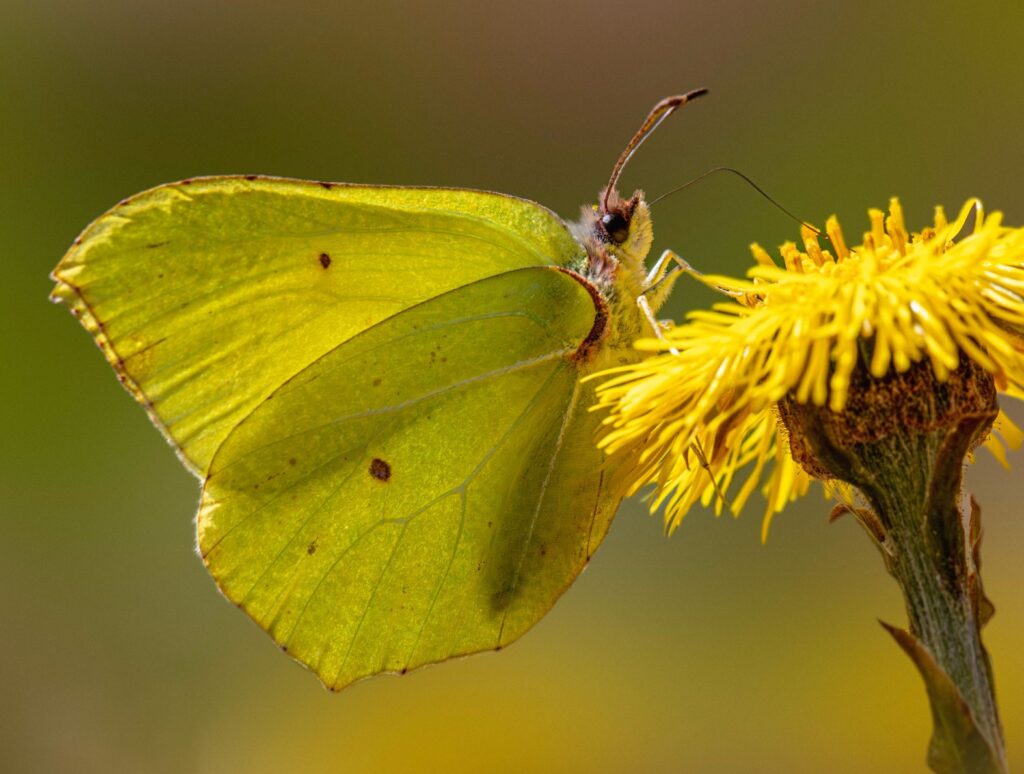
Brimstone butterflies
-
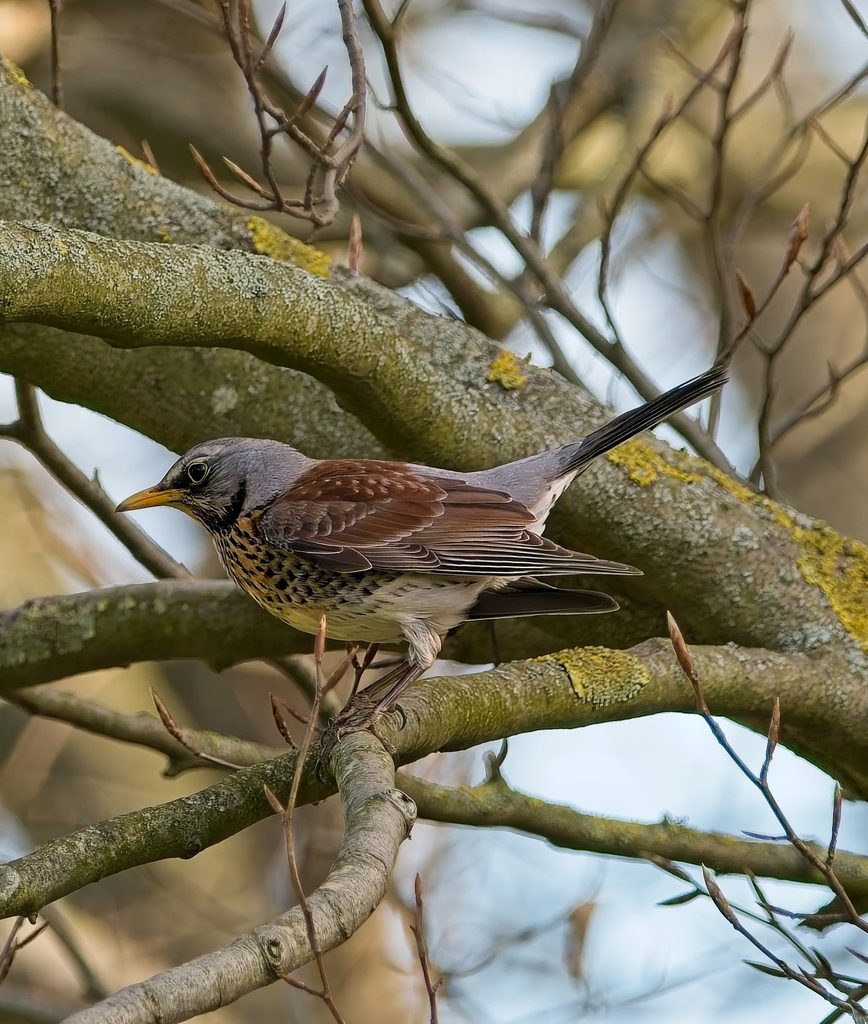
Fieldfares
-
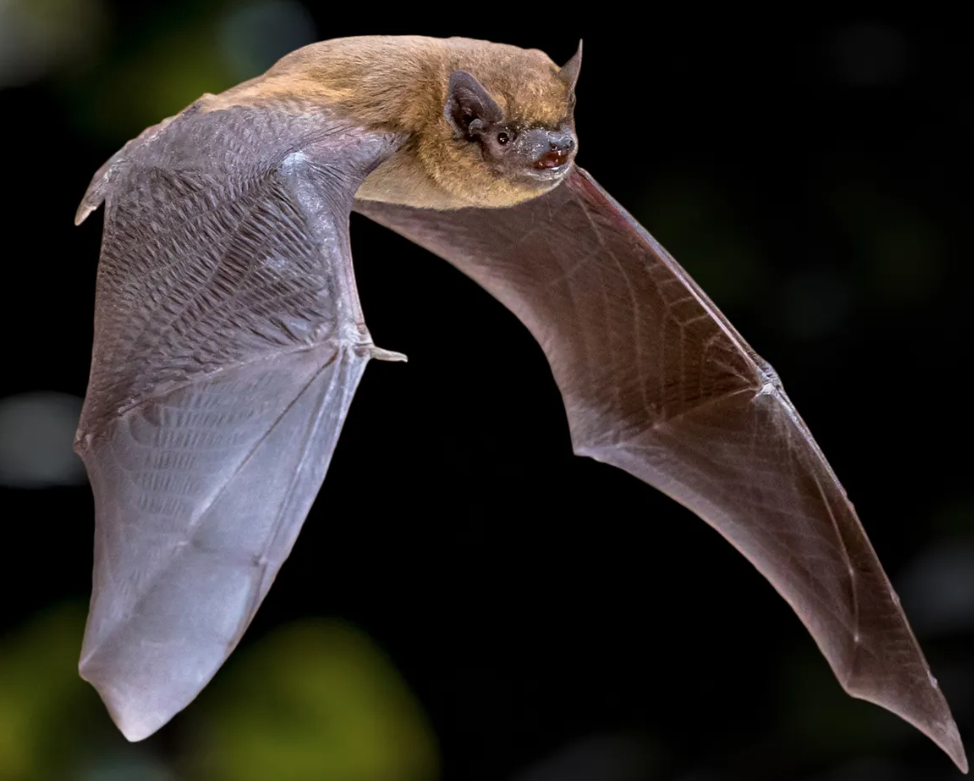
Pipistrelle bats
-
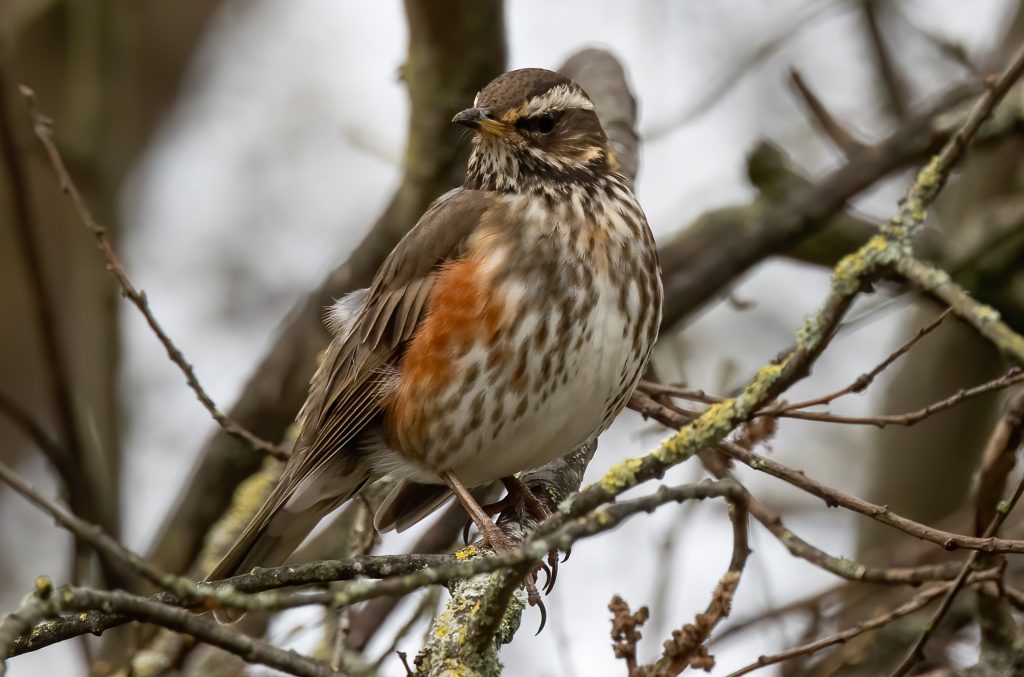
Redwings