

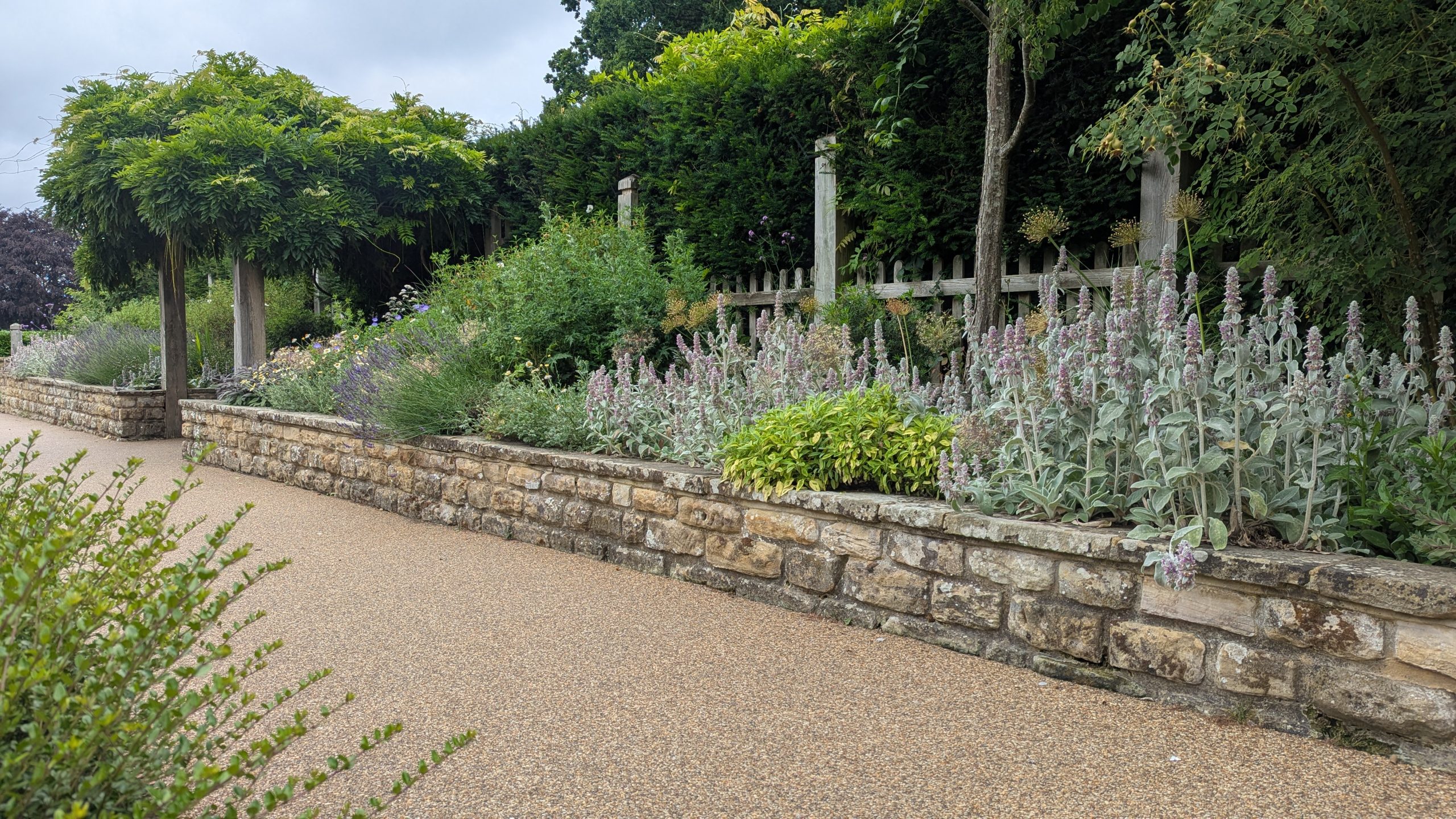
What Is the Climate Change Bed?
The Climate Change Bed was created by the Friends of Horsham Park in 2021 as an experiment. With our district facing more frequent droughts due to climate change, we wanted to see whether a planting scheme could survive, and even thrive, with little or no watering.
You can find the Climate Change bed on the northern side of Park House Sensory Garden.
Why we created it
Hotter, drier summers are becoming more common, and traditional planting often struggles without regular watering. Our aim was simple: choose plants that could cope with long dry spells and still look good throughout the year.
How we chose the plants
We selected bulbs, herbaceous perennials and shrubs known for their drought‑tolerant adaptations. We also followed the gardening principle of “right plant, right place”, positioning each species where it would naturally cope best with sun, shade and soil conditions.
Drought‑tolerant plants you can grow too
If you’d like to reduce watering, save time and support climate‑resilient gardening, many of the plants in this bed are easy to grow at home. Even small changes (like swapping a thirsty plant for a drought‑tolerant one) can make a real difference.
These are some of the plants used in the Climate Change Bed. They were all chosen for their ability to handle heat and dry weather. They’re also easy to grow at home.
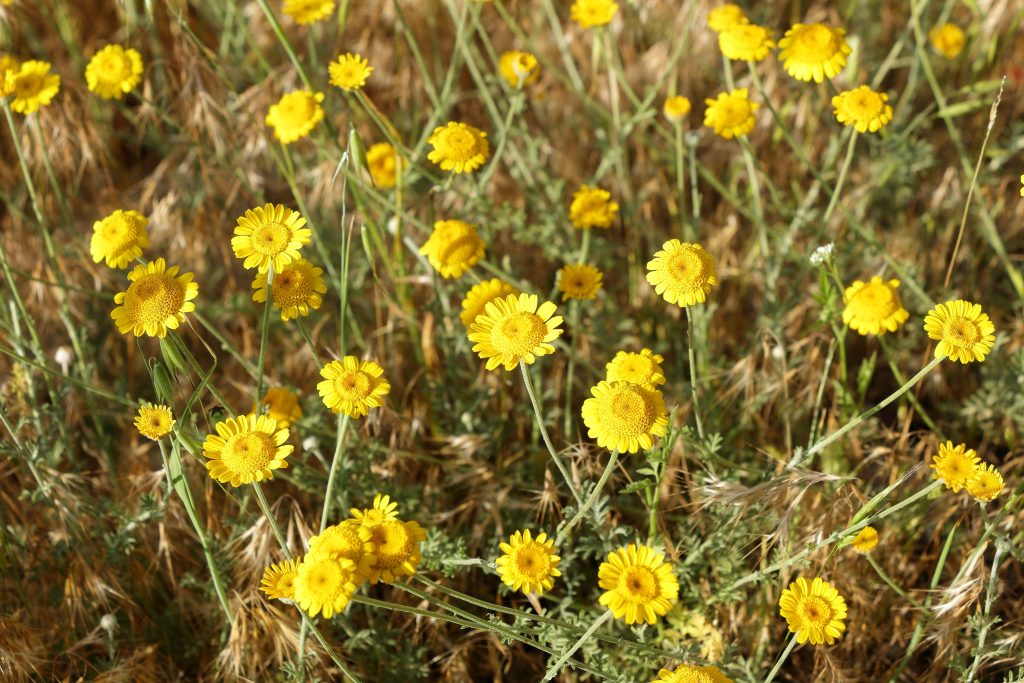
Anthemis
Small, delicate foliage loses less water, making it well suited to hot, dry conditions.
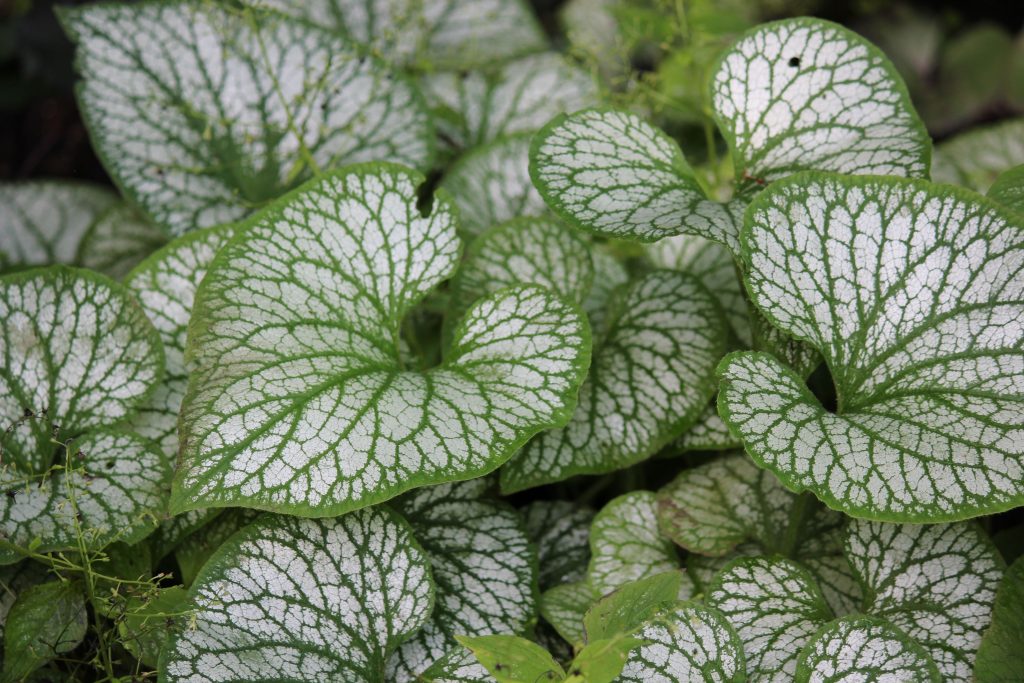
Brunnera
Pale, reflective leaves stay cooler in the sun, reducing water loss through transpiration.
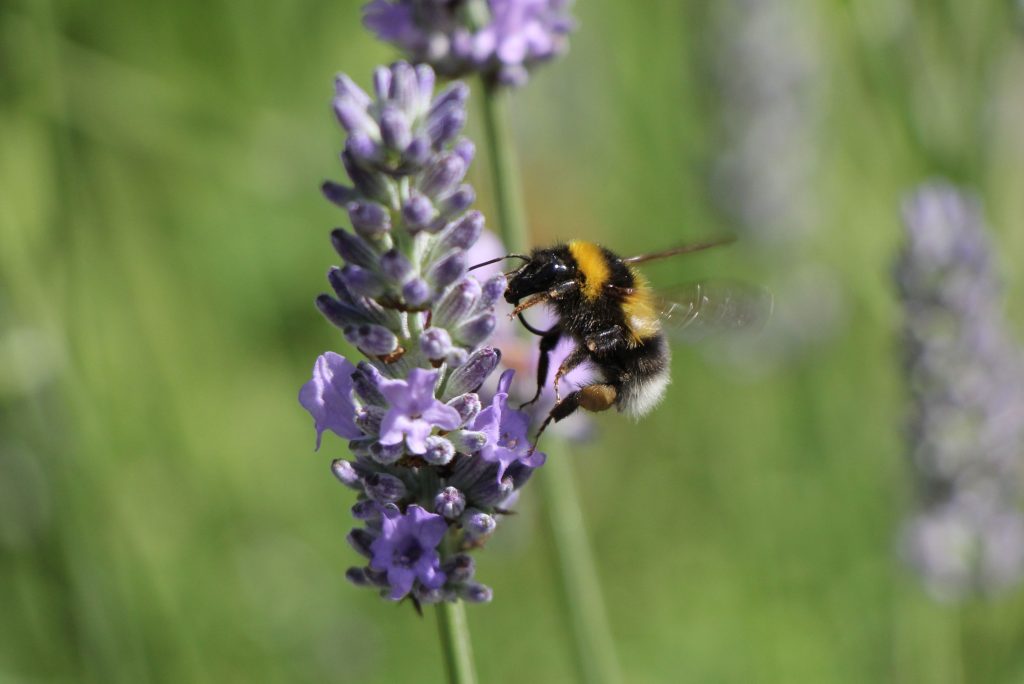
Lavender
Aromatic, narrow leaves are naturally adapted to Mediterranean climates and need very little water.
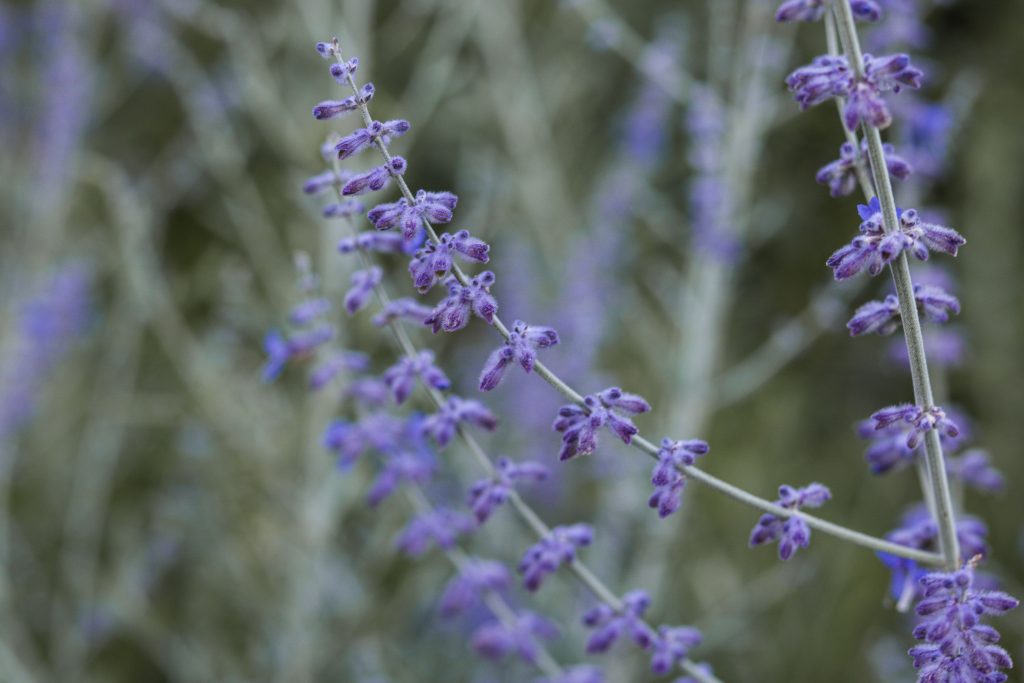
Perovskia (Blue Spire)
Narrow, finely cut leaves reduce the surface area for transpiration, helping the plant hold onto moisture.
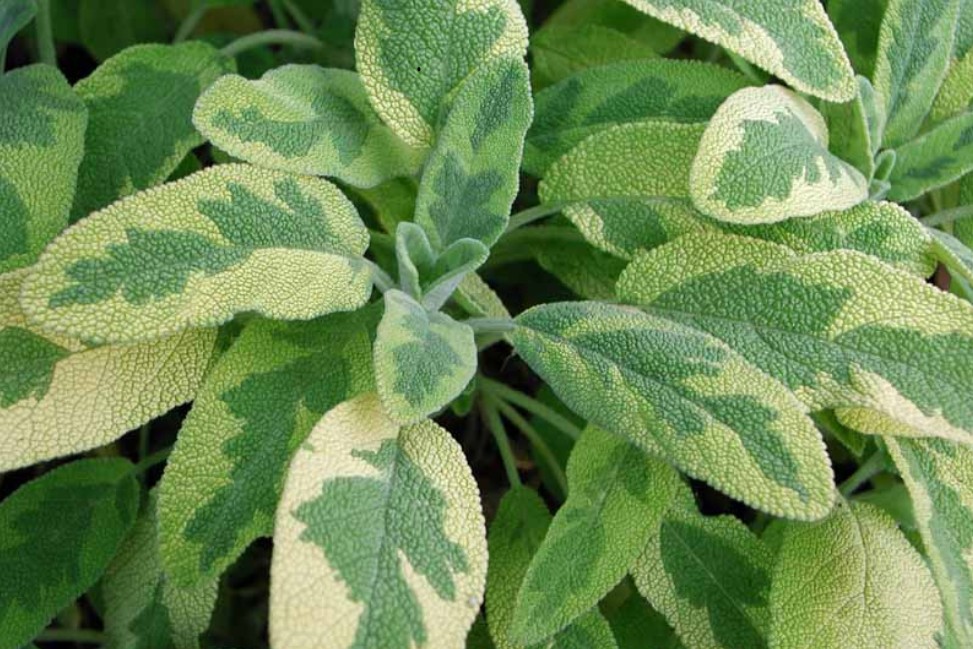
Salvia ‘Icterina’
Variegated foliage (leaves that are yellow and green) reflects sunlight, helping the plant stay cool and conserve moisture.
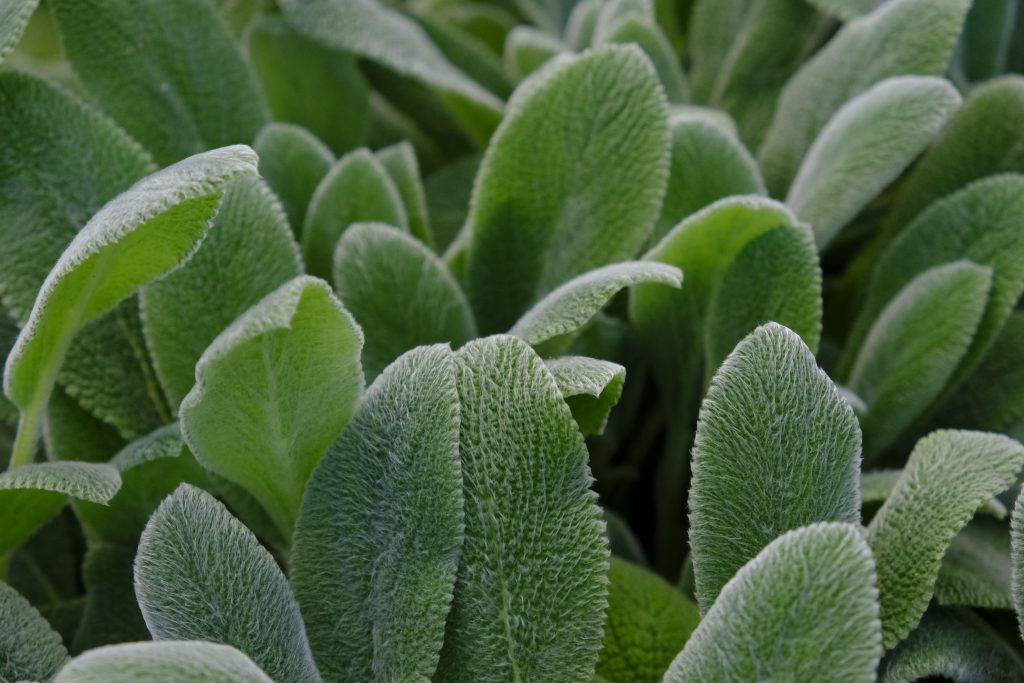
Stachys
Soft, hairy leaves trap moisture and slow evaporation, making the plant surprisingly drought‑resilient.
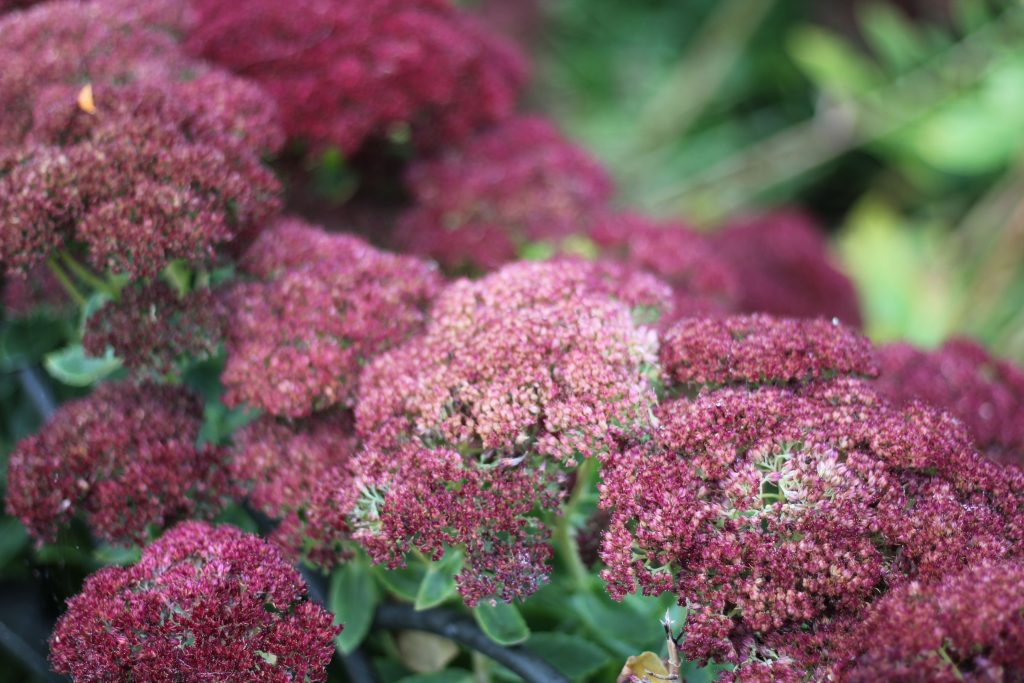
Sedum
A true succulent, storing water in its thick leaves and stems so it can survive long periods without rain.
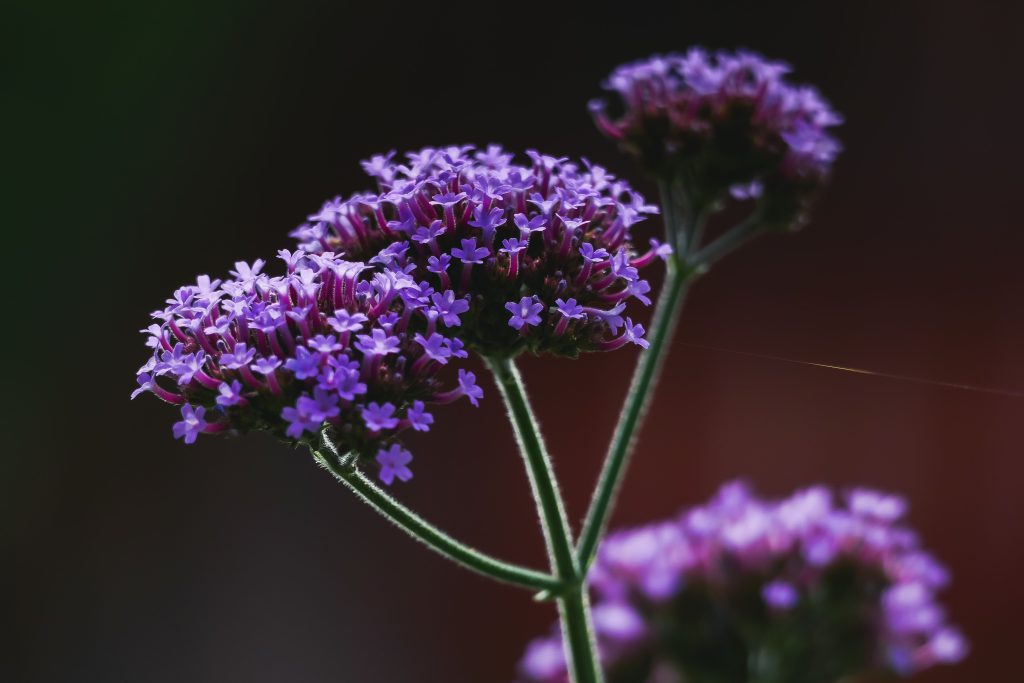
Verbena
Light, airy leaves cope well with heat and allow the plant to keep flowering through dry spells.
Pictures from Pexels Do you have pictures from the park that we could use? If so, please contact us.
Planting for success
The border was planted in autumn, giving the plants time to establish strong root systems before facing winter cold and the following summer’s heat. This early preparation is key to long‑term resilience.
Tested by the weather
The summer of 2022 brought an intense heatwave. The bed was watered only twice — just enough to help the newly planted specimens settle in. Then the weather flipped: a long, cold and very wet winter followed, meaning the plants were tested at both extremes in the same year.
What we’ve learned (so far…)
By spring 2023 we expected gaps, but the plants came through remarkably well. Even during the very hot and dry June, the bed didn’t need any watering at all. The experiment shows that with thoughtful plant choice and good establishment, drought‑tolerant planting can be both beautiful and resilient.
Sadly, climate change isn’t going away any time soon. But this bed shows that we’re not powerless. With thoughtful plant choices and good establishment, anyone can create a garden that uses less water and stands up to heat, drought and heavy rain. Even small changes at home can make a real difference.