
A garden for everyone
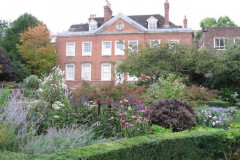
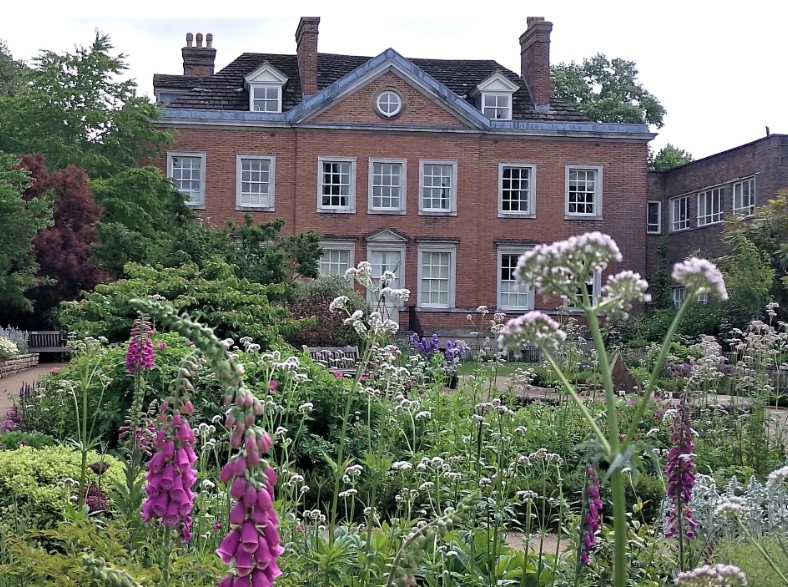
The Park House Sensory Garden is a peaceful, beautifully designed space in the heart of Horsham Park. Nestled between Park House and the converted stables now home to Koffee , the garden offers colour, scent, texture and calm for visitors of all ages and abilities.
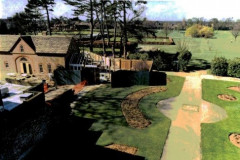
Opened in 1991, the Park House Sensory Garden was created with a pioneering vision: to provide an accessible, inclusive space where everyone can enjoy nature.
The 0.25‑acre garden (0.1 hectare or 1,000m2) replaced a vandalised rose garden and introduced a thoughtful layout that welcomes all visitors.
Accessible Design Features
The garden’s layout ensures that everyone, but particularly people with mobility, visual or sensory needs can explore comfortably and independently:
- Wide axial paths that allow two wheelchairs to pass.
- Wheelchair bays beside benches so everyone can sit together.
- Raised beds at wheelchair height allow everyone to touch and smell the plants.
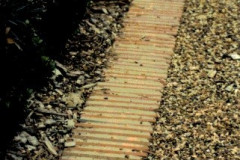
- Sealed gravel surface that are smooth without being slippery.
- Tile-edged paths create tapping strips for long canes.
- Rounded, Aberdeen granite columns marking right-angle turns.
- Entrances on only two sides to support orientation.
- No ramps or steps, with level access from nearby disabled parking.
These features make the garden one of Horsham’s most accessible outdoor spaces.
A Sensory Experience Through the Seasons
The planting scheme is designed to delight the senses all year round:
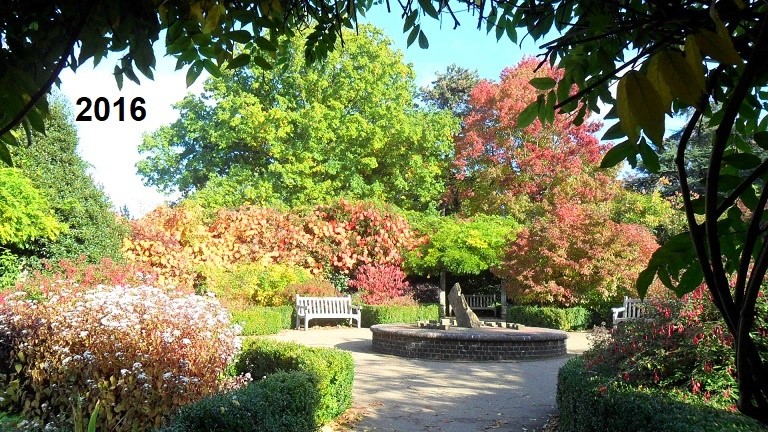
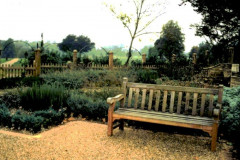
- Over 130 varieties of plants, many chosen for their distinctive fragrance.
- Colour-themed beds featuring blues, reds, and pinks radiating from the centre.
- A simple, formal layout that complements the Georgian architecture.
- Summer planting for maximum vibrancy, with winter structure for interest.
Visitors can enjoy scented foliage, textured leaves, vibrant flowers and gentle movement from grasses and shrubs.
The Sungod: A Tactile Centrepiece

At the heart of the garden stands the Sungod, a striking sundial designed by renowned local artist John Skelton.
Its circular base and tactile markings were designed so that visually impaired visitors can explore the sculpture safely and enjoyably. The Sungod remains one of the garden’s most distinctive and photographed features.
Georgian Character and Craftsmanship
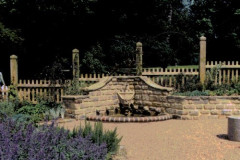
Additional features enhance the garden’s historic charm:
- A Georgian-style ornamental fountain (now a flowerbed) in the corner, using stone from the former St Mark’s Church.
- Waist-height wooden fencing with open metalwork hoops.
- Handmade Redland bricks in warm golden tones.
These details create a harmonious link between the garden and the surrounding heritage buildings.
‘Sense the change’
In 2021 to celebrate the 30th anniversary of the garden, RSA gave the Friends of Horsham Park a grant of £5,000 to help restore and enhance some of the features of this unique space, including the central Sungod sundial. The project, called ‘Sense the Change‘, built on the theme of inclusivity, replanting beds with fragrant plants that are also pollinator friendly.
A Community Achievement
The creation of the garden was a remarkable collaboration between local organisations:
- Sun Alliance (now RSA) funded more than two‑thirds of the £92,000 cost to mark 25 years in Horsham.
- Local businesses donated materials and services.
- Horsham District Council contributed the remaining third and continues to maintain the garden.
The garden was officially opened on the 29th of June 1991 by The Earl of Snowdon, a disability rights advocate whose mother was one of the Messels of Nymans Gardens, who praised it as “an example to other local authorities and organisations.”
Today, the garden continues to embody its founding vision: a peaceful, inclusive space that complements the historic surroundings while offering a retreat for all.
Wildlife in the Garden
The Park House Sensory Garden supports a rich variety of wildlife:
Birds commonly seen include:
- Wrens
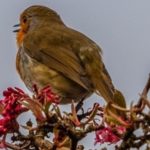
- Robins
- Greenfinches and goldfinches
- Dunnocks and sparrows
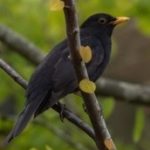
- Blackbirds, pigeons and thrushes
Great spotted woodpeckers are often seen flying through the garden, and blackcaps have nested here.
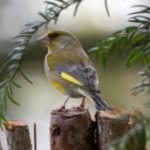

Pollinators thrive thanks to thoughtful planting
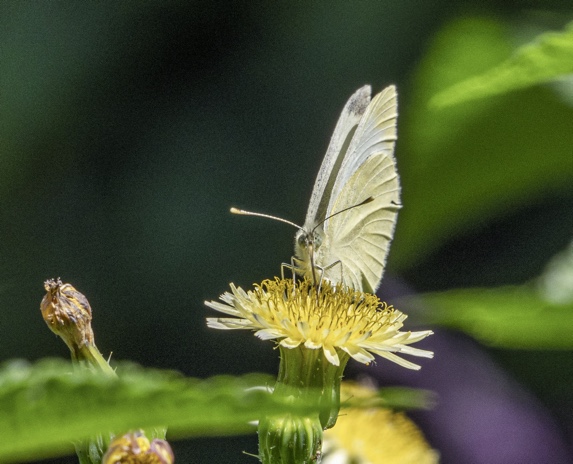
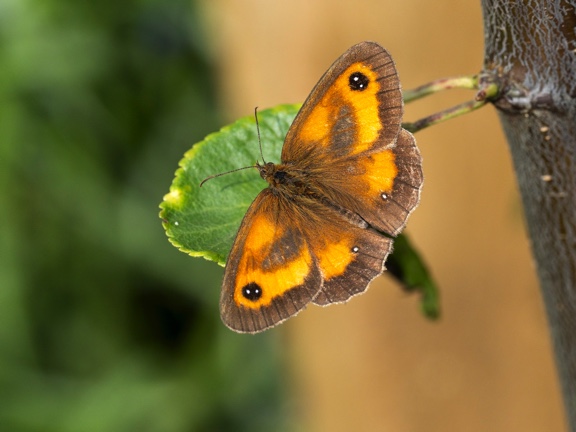
Lupins, echinacea, roses, peonies and alliums provide nectar from early spring through late summer. Seasonal planting such as cosmos and zinnias attracts bees, butterflies and even the occasional hummingbird hawk‑moth.
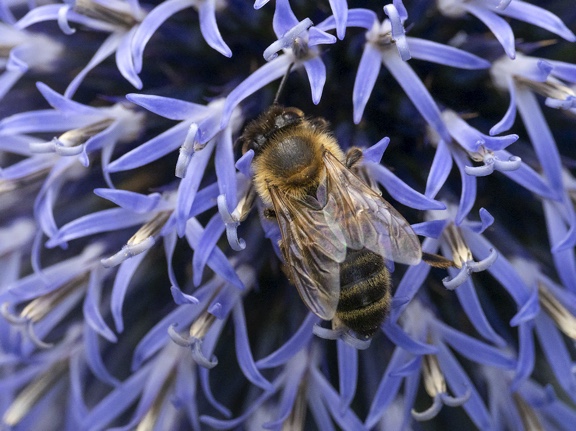
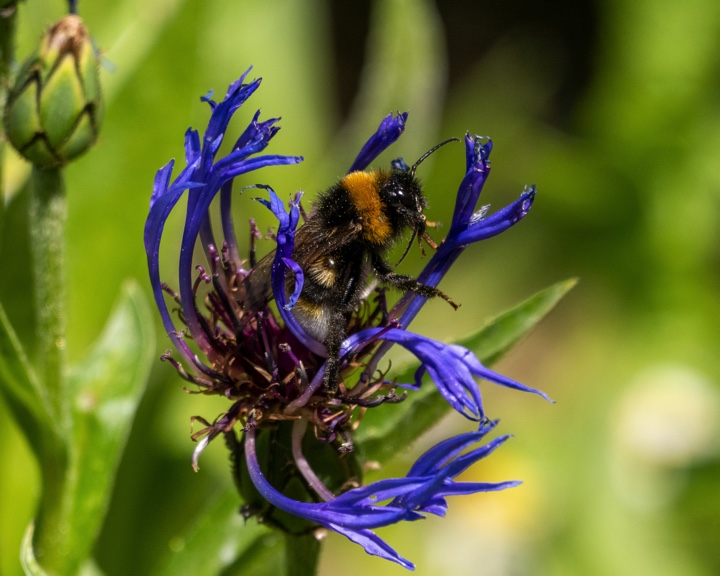
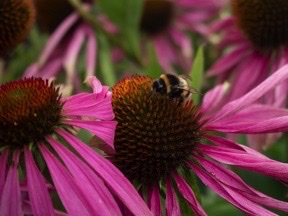
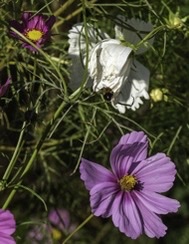
Shrubs and bulbs have been selected not only for sensory interest but also to support wildlife throughout the year.