
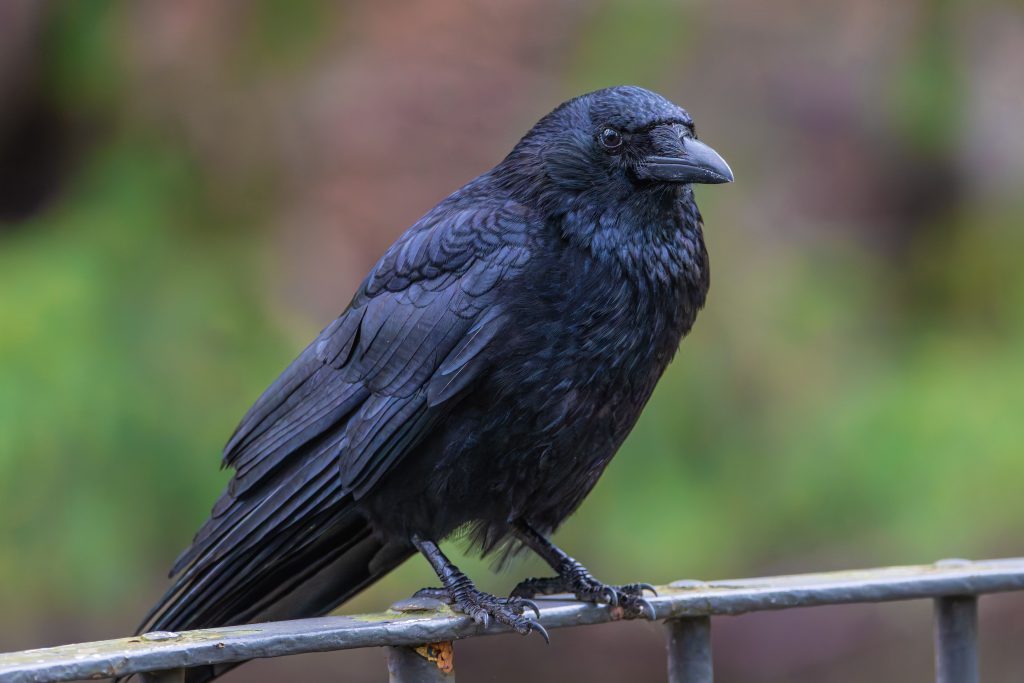
Name: Carrion Crow
Latin Name: Corvus corone
Most likely to be seen: Sitting on the grass around the pond, in the trees around the park and in the willow tree over the pond whenever the ducks are being fed!
Wildlife Spotter rating: Very easy
Did you know?
Crows can solve puzzles, use tools and even recognise individual human faces – so they can remember who’s been nice to them!
Photo: Siegfried Poepperl on Pexels . Do you have pictures of crows in the park that we could use? If so, please contact us.
The carrion crow is one of the most familiar birds in Horsham Park. With their glossy black feathers, strong beaks and loud calls, they are hard to miss. Crows are incredibly intelligent and curious, often exploring new objects or watching people closely to see what they’re doing.
Rook or crow?
Although both are large black birds, rooks tend to be slightly rarer in Horsham Park, so most of the birds you see in big, noisy groups are carrion crows.
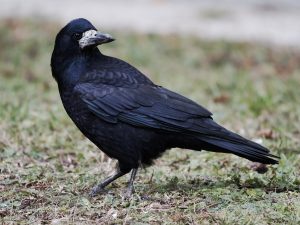
Crows have a solid, glossy look, with thick black beaks. Rooks, on the other hand, have a paler, bare patch of skin around the base of the beak, this gives their faces a longer, more pointed appearance. Rooks also have shaggier feathers around their legs.
Photo: Zacharias Korsalka on Pexels Do you have pictures of rooks in the park that we could use? If so, please contact us.
Crows live in loose family groups and communicate using a wide range of calls, from sharp caws to softer rattles and clicks. They are very social birds, and sometimes their interactions can look noisy or rough. This is normal crow behaviour they use calls and body language to sort out pecking order, defend food or warn each other about danger.
Crows are opportunistic feeders. They eat insects, seeds, fruit, small animals and carrion, as well as anything left behind by people. This adaptability is one of the reasons they thrive in parks. However, when lots of food is dropped or left out, crow numbers can grow quickly, which can lead to more squabbling and competition.
Crows play an important role in the ecosystem. They help clean up waste, control insect numbers and act as early warning signals for other birds.
How to be a Crow Chum
To help crows, and keep the whole park in balance, you can:
- Take litter home: Food scraps attract other animals and can also cause crows to fight each other.
- Avoid feeding them: Human food isn’t healthy for crows and can make them bolder than is good for them.
- Watch their cleverness: Crows are problem‑solvers enjoy observing them.
- Respect their space: If they’re calling loudly or flapping at each other, it’s usually just crow communication.