

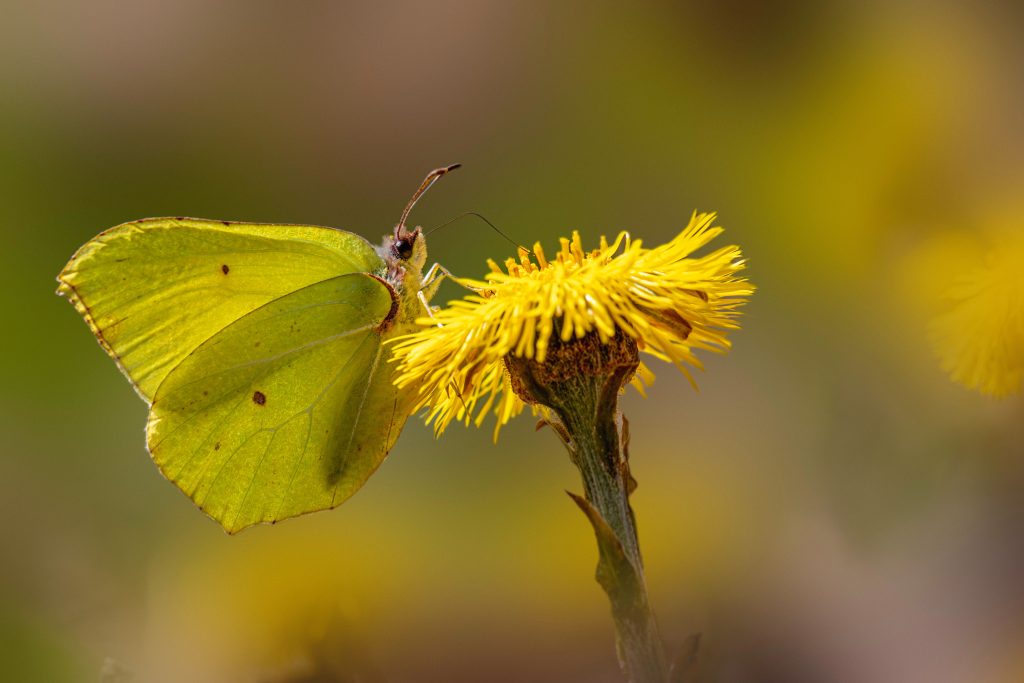
Name: Brimstone Butterfly
Latin Name: Gonepteryx rhamni
Most likely to be seen: In Park House Sensory Garden or the tennis court flower beds.
Wildlife Spotter rating: Challenging
Did you know?
Brimstone butterflies are thought to be the reason we use the word “butterfly”? Their bright yellow wings look a bit like pats of butter.
Photo: Erik Karits on Pexels . Do you have pictures Brimstone butterflies in the park that we could use? If so, please contact us.
The brimstone is one of the earliest butterflies to appear each year and is often seen as the first sign that spring has arrived. Males are a vivid lemon‑yellow, while females are much paler, almost white. Both have leaf‑shaped wings with tiny orange spots, which help them blend in when they rest among foliage.
Brimstones are strong fliers and can travel long distances in search of nectar. On warm days you might spot them zig‑zagging along sunny paths or feeding on early spring flowers such as primroses, bluebells and dandelions. They are especially fond of purple and pink blooms.
One of the most remarkable things about brimstones is how they survive winter. Instead of migrating or dying off, they hibernate outdoors, often tucked deep inside ivy, holly or dense shrubs. Their clever wing shape and colouring help them hide from predators until the weather warms up again.
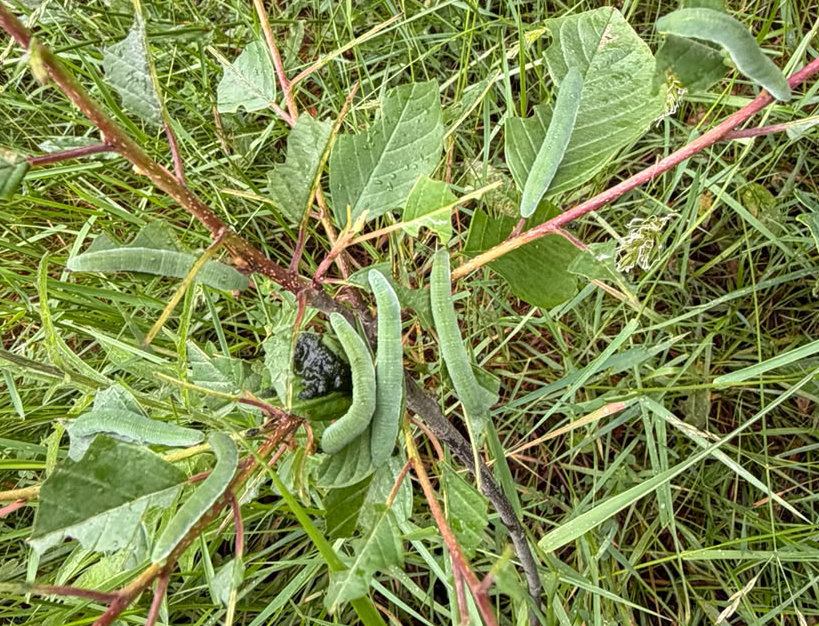
Brimstones rely heavily on two plants, buckthorn and alder buckthorn as these are the only places females lay their eggs. The caterpillars feed on the leaves before pupating and emerging as adults later in the summer.
How to be a brimstone buddy
To help brimstone butterflies you can:
- Plant buckthorn or alder buckthorn: These are the only plants brimstone caterpillars can eat.
- Grow nectar‑rich flowers: Primroses, knapweed, thistles and other native blooms help adults feed.
- Leave some wild corners: Ivy, holly and dense shrubs give brimstones safe places to hibernate.
- Avoid pesticides: Chemicals can harm butterflies, caterpillars and the plants they depend on.
- Watch don’t catch: Butterflies are delicate, enjoy them from a distance.